
How UK Players Can Spot Trustworthy Online Casinos in 2026: A Practical Guide to Licensing, Safer Gambling Tools, and Avoiding Unregulated Tether Casinos
I've spent a good deal of time tracking how the UK online gambling market has changed over the past couple of years, and 2026 feels like a real turning point. More people than ever are placing bets and spinning reels from their phones. Handy, yes — but that convenience has also opened the door to operators who have no business handling UK customers' money. One of the newer headaches is the rise of so-called tether casinos: crypto-based platforms, usually built around USDT, that deliberately operate outside the reach of the UK Gambling Commission. My aim here is simple: to explain, in plain English, how I separate a trustworthy casino from one likely to cause serious trouble.
Why Trust Matters More Than Ever in 2026
The UK's regulatory environment has tightened considerably. The UKGC has introduced stricter affordability checks, tougher advertising rules, and heavier penalties for operators that fail on consumer protection. Some businesses have moved offshore as a result. Others have taken a different route, building crypto-first platforms without ever applying for a UK licence.
The appeal is easy to see: fewer checks, faster withdrawals, less friction. But the risks are just as clear. If something goes wrong, there's no formal protection, no guarantee that your funds are safe, and a much greater chance of slipping into harmful gambling patterns without a proper safety net.
The Rise of Unregulated Crypto and Tether Casinos
Tether casinos are gambling sites that accept USDT or similar stablecoins as their main — and sometimes only — currency. They're appealing because they promise anonymity and skip the usual Know Your Customer checks required by licensed UK sites. For some players, that sounds like a benefit: less paperwork and instant deposits. It can look tempting at first glance.
That anonymity, though, is also why these platforms are so difficult to regulate. No central authority is making them prove that their games are fair, protect customer funds, or provide a proper dispute-resolution process. If a tether casino disappears overnight, there's often nobody you can appeal to. No regulator waiting in the wings.
UK Licensing — The First Line of Defence
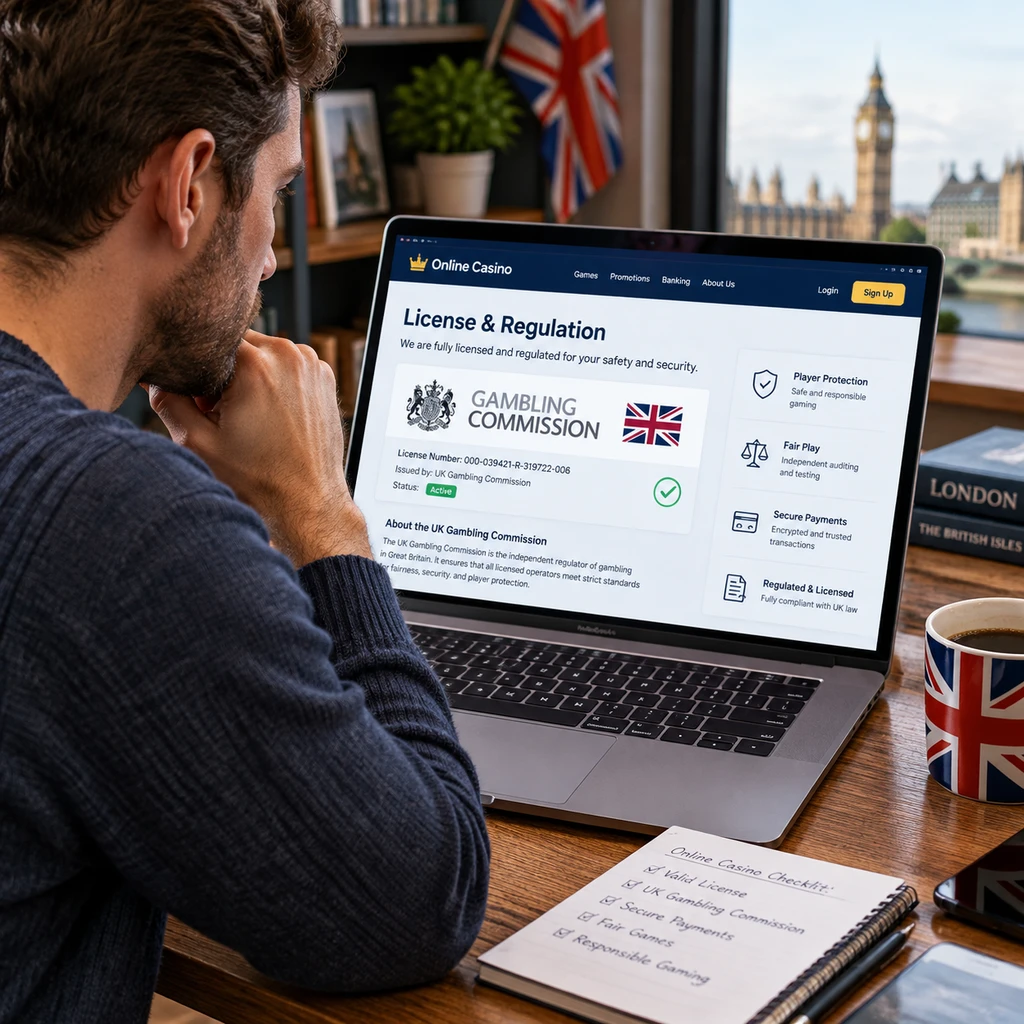
Before I deposit even a penny, I check for a UKGC licence. Usually, that means scrolling to the site's footer, locating the licence number, and cross-referencing it on the UKGC's public register. The register is free, searchable, and open to anyone. A real licence isn't just a badge added for appearance's sake; it means the operator has been audited for fair play, has complaint-handling processes, and must keep player funds segregated from its operational cash.
That separation matters more than many people realise. If the company runs into financial trouble, it can be the difference between your money being protected and simply... disappearing.
Red Flags of Unlicensed Operators
Over the years, I've seen a fairly consistent pattern among dodgy operators. These are the warning signs I wouldn't brush aside:
- No visible licence number, or one that doesn't match anything on the UKGC register
- Terms and conditions that are vague, contradictory, or buried in confusing language
- Insistence on crypto-only deposits with no fiat currency option
- No UK-based contact details, support email, or physical address
- Bonuses that seem too generous, with withdrawal conditions that are nearly impossible to meet
Safer Gambling Tools Every Trustworthy Casino Should Offer
Any UK-licensed casino worth considering should give you tools to manage your play responsibly. That includes deposit limits you can set yourself, self-exclusion through GAMSTOP, reality checks during longer sessions, and reminders showing how much time you've spent playing. These aren't decorative extras. They're legal requirements for licensed operators.
If a site offers none of them, I take that absence seriously. It says quite a lot about how much attention the operator is really paying to player welfare.
How Tether Casinos Undermine Player Protection
This is where the risks of crypto-based gambling platforms become much harder to ignore. Tether casinos typically don't integrate with GAMSTOP, so a player who's self-excluded through the official UK scheme may find that these sites simply don't recognise it. There's no formal complaints procedure, no independent adjudicator, and often no practical way to escalate a dispute beyond emailing a support address that may or may not reply.
I've heard from players who've lost significant sums on these platforms and had absolutely no recourse. No one to call, nowhere to appeal. If you or someone you know has already engaged with tether casinos, support services can offer guidance after problem gambling experiences and help you work out what to do next — even when the platform itself provides no accountability.
Practical Checklist — Verifying a Trustworthy Casino
Before I sign up anywhere, I run through this short checklist:
- Confirm the UKGC licence number against their official register
- Look for independent reviews on established gambling forums, not just testimonials on the casino's own site
- Check that the site uses SSL encryption and ideally mentions PCI compliance for payment processing
- Test customer support with a basic question before depositing — slow or evasive replies are a bad sign
- Read the withdrawal terms carefully, including processing times and any hidden fees
Tools and Resources for Verification
Beyond the UKGC register, I also check whether a casino holds eCOGRA certification, which independently verifies the fairness of its games. GAMSTOP sign-up is another useful indicator. When a site properly integrates with it, that suggests the operator is following UK regulatory requirements rather than merely paying lip service to them.
What to Do If You've Already Used an Unregulated Platform
If you realise you've been playing at a tether casino or another unlicensed site, stop depositing immediately. Document every transaction you can, including wallet addresses, timestamps, and screenshots if you have them; that evidence could matter later. You can also contact your bank or payment provider to ask about chargeback options, although success depends on how the deposit was made.
And if you feel the pull to keep chasing losses, reach out to UK gambling harm organisations. They're there for situations like this, without judgement. You don't need to wait until things get even worse.
Conclusion
For me, the safest approach in 2026 is clear: stick to UKGC-licensed operators, use the safer gambling tools they're required to provide, and treat any platform pushing crypto-only deposits without a clear UK regulatory footprint with deep suspicion. Informed players are better protected. Spending a few extra minutes checking a casino before playing may feel like a nuisance, but it can save you a great deal of trouble later.